

Acrylic Info
Polymethylmethacrylate (PMMA) Plastic
Characteristics of Acrylic
- Poor
- Excellent
- Clarity
- Moisture Barrier
- Oxygen Barrier
- Acid Resistance
- Grease & Oil Resistance
- Stiffness
- Impact Resistance
- Heat Resistance
- Cold Resistance
- Sunlight Resistance
- Good to Excellent
- Good
- Good
- Poor to Fair
- Good
- Good to Excellent
- Good
- Good
- Good
- Good
Other Characteristics of Acrylic
Polymethyl Methacrylate (PMMA) is most commonly known by the name acrylic. It is a rigid plastic with high clarity due to its amorphous arrangement of molecules. Acrylic is used for many applications, including display cases, aquariums and cosmetic containers.
- Max Utilization Temperature: 194°F
- Min Utilization Temperature: -76°F
- Specific Density: 1.18
- Tensile Strength: 7,000 psi
- Melting Point: 212 °F
- Structure: Crystalline
Acrylic for Packaging
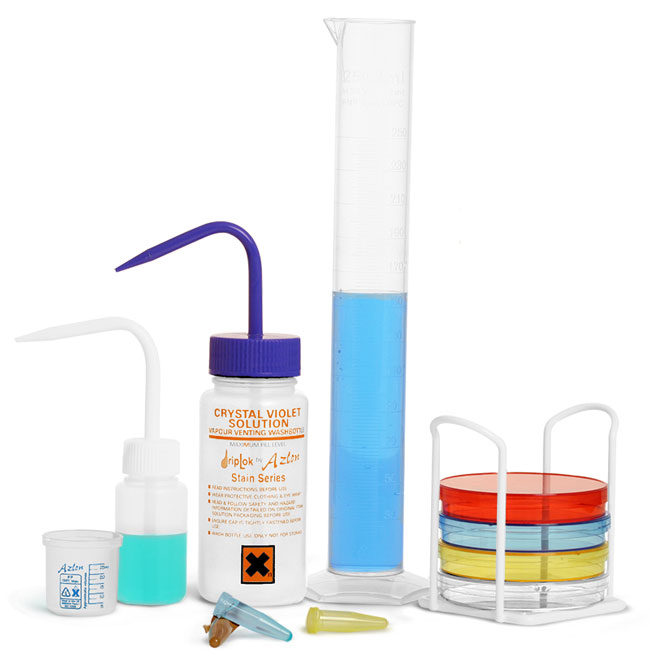
Acrylic is useful in the laboratory for several products, including storage containers because of its high clarity. It is resistant to dilute acids and alkalis, but is attacked by a range of organic solvents. Acrylic can be sterilized by gas and gamma irradiation.
Recycling Acrylic Plastic
Acrylic does not have its own recycling code, but can be recycled into many other products. Check with your local government to see if facilities exist. For more information regarding Acrylic recycling see the Plastic Container Recycling Page