

PMP Info
Polymethylpentene Plastic Information
Characteristics of PMP
- Poor
- Excellent
- Clarity
- Moisture Barrier
- Oxygen Barrier
- Acid Resistance
- Grease & Oil Resistance
- Stiffness
- Impact Resistance
- Heat Resistance
- Cold Resistance
- Sunlight Resistance
- Alcohol Resistance
- Aldehyde Resistance
- Base Resistance
- Ester Resistance
- Hydrocarbon Resistance
- Ketone Resistance
- Good
- Excellent
- Fair
- Excellent
- Good
- Good
- Fair to Good
- Good to Excellent
- Good
- Poor
- Excellent
- Good
- Excellent
- Good
- Poor to Fair
- Poor to Fair
Other Characteristics of PMP
PMP is a polymer of 4-methylpentene-1, similar to PP, but has an isobutyl group on alternate C atoms. PMP has high transparency, rigidity and resistance to impact and the ability to withstand temperatures of up to 392°F for short periods (347°F continuously). Chemical resistance is comparable to PP but PMP tends to suffer from tension cracks when exposed to ketones or chlorinated solvents. The most important qualities of PMP are its excellent transparency and good mechanical properties. Over time is can be attacked by chlorinated solvents and is susceptible to attack by strong oxidizing agents.
- Max Utilization Temperature: 356°F
- Min Utilization Temperature: -32°F
- Specific Density: 0.83
- Tensile Strength: 4,000 psi
PMP for Packaging
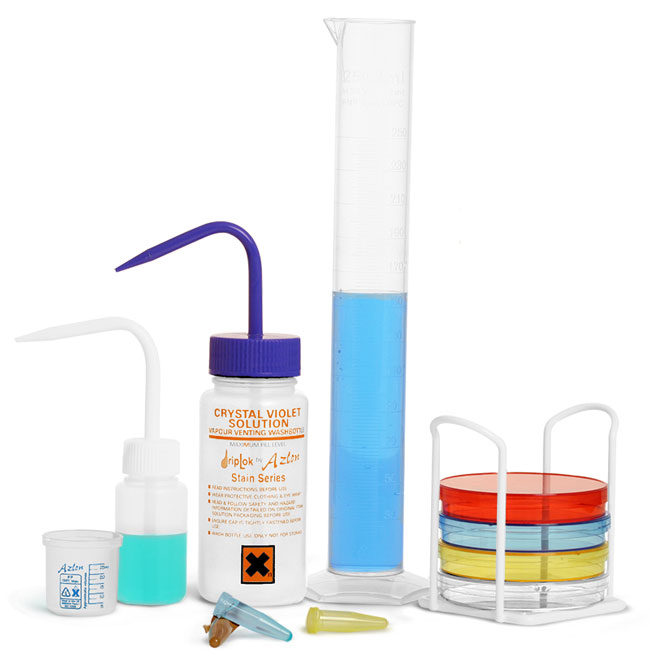
PMP is conveniently autoclavable, able to be sterilized by gas, dry heat and chemical disinfectant. However, dry heat can reduce mechanical strength. PMP has relatively high heat resistance, making it an excellent choice for laboratory activities that involve use of liquids at higher temperatures. It can withstand acids and alcohols, allowing for a wide range of liquids to be used in conjunction with PMP. Due to its attack-resistant properties and less porous surface, PMP is easy to clean and is a great choice of labware.
Recycling PMP Plastic
Private PMP recycling facilities exist, check your local yellow pages. For more information regarding PMP recycling see the Plastic Container Recycling Page .