
ABS Info
Acrylonitrile Butadiene Styrene Plastic
Characteristics of ABS
- Poor
- Excellent
- Clarity
- Moisture Barrier
- Oxygen Barrier
- Acid Resistance
- Grease & Oil Resistance
- Stiffness
- Impact Resistance
- Heat Resistance
- Cold Resistance
- Sunlight Resistance
- Excellent
- Good
- Fair
- Good
- Poor to Fair
- Good to Excellent
- Excellent
- Fair
- Fair
- Poor
Other Characteristics of ABS
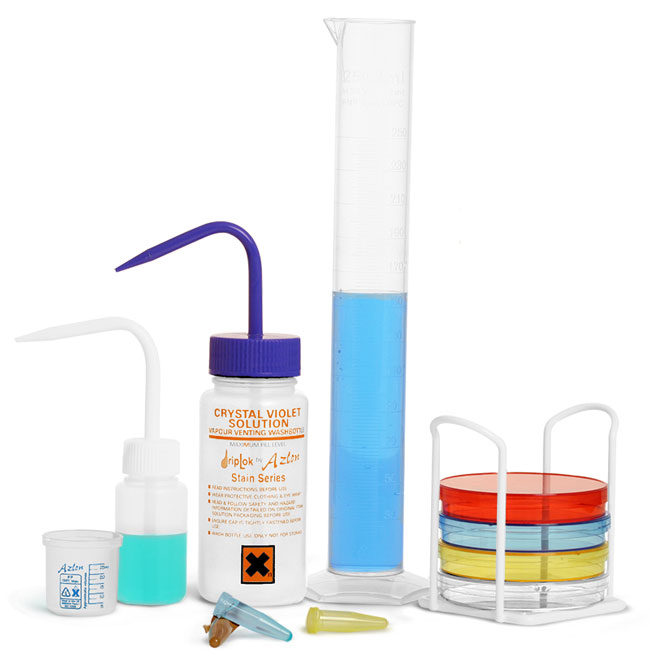
ABS has outstanding impact and mechanical strength, which makes it so suitable for tough consumer products. In addition to laboratory products, ABS is used for various products such as telephone bodies, safety helmets and furniture.
- Max Utilization Temperature: 176°F
- Min Utilization Temperature: -4°F
- Specific Density: 1.05
- Tensile Strength: 4300 psi
- Melting Point: 221°F
ABS for Packaging
ABS is a hard, rigid and tough plastic that is good for certain laboratory materials. It is also a great material because it has high impact resistance.
Recycling ABS Plastic
ABS does not have its own recycling code, but can be recycled into many other products. Check with your local government to see if facilities exist. For more information regarding ABS recycling see the Plastic Container Recycling Page