

PET Plastic Info
Polyethylene Terephthalate Plastic Containers
Characteristics of PET
- Poor
- Excellent
- Clarity
- Moisture Barrier
- Oxygen Barrier
- Acid Resistance
- Grease & Oil Resistance
- Stiffness
- Impact Resistance
- Heat Resistance
- Cold Resistance
- Sunlight Resistance
- Excellent
- Fair to Good
- Good
- Fair to Good
- Good
- Good to Excellent
- Good to Excellent
- Poor to Fair
- Good
- Good
Other Characteristics of PET
PET (Polyethylene Terephthalate) Plastics are generally clear, tough and are a good barrier to gas and moisture. PET also has a good resistance to heat.
Other Uses of PET
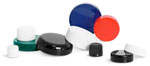
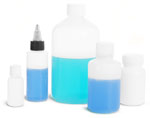
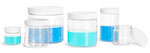
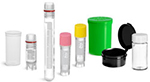
PET is a good choice for labware because of its many desirable characteristics. PET is available in a wide range of colors, shapes, and sizes. Darker colored PET plastic containers are best for blocking UV rays from light sensitive materials. PET is highly resistant to diluted acids, oils, and alcohols.
Recycling PET Plastic
PET can be identified easily by locating its recycling code symbol. PET is denoted by the familiar triangular shaped arrows with the number 1 in the center. PET can be recycled into many other products besides bottles and jars. Other recycled PET products include ski coat fibers, fleece vests, and sleeping bag lining. For more information regarding PET recycling see the Plastic Container Recycling Page .
PET's Role in History
PET has been used for more then just bottles throughout the years. During WWII it was used as a coating for underwater cables. PET's lightweight nature made it a great material to use to insulate radars, which helped to reduce the overall weight.