

PTFE Info
Polytetrafluoroethylene Plastic Information
Characteristics of PTFE
- Poor
- Excellent
- Clarity
- Moisture Barrier
- Oxygen Barrier
- Acid Resistance
- Grease & Oil Resistance
- Stiffness
- Impact Resistance
- Heat Resistance
- Cold Resistance
- Sunlight Resistance
- Alcohol Resistance
- Aldehyde Resistance
- Base Resistance
- Ester Resistance
- Ether Resistance
- Hydrocarbon Resistance
- Ketone Resistance
- Poor
- Excellent
- Excellent
- Excellent
- Excellent
- Good to Excellent
- Good to Excellent
- Good to Excellent
- Good to Excellent
- Excellent
- Excellent
- Excellent
- Excellent
- Excellent
- Excellent
- Excellent
- Excellent
Other Characteristics of PTFE
PTFE (Polytetrafluoroethylene) plastics are generally opaque, and are an excellent barrier to gas, moisture, and resistance to heat. PTFE shows a remarkable chemical resistance and it is insoluble in all known solvents. It is attacked only by molten alkali metals and fluorine at high temperatures. PTFE has excellent resistance to acids, alkalis and solvents. It is very lubricous, with the lowest coefficient of any polymer. The chemically inert plastic is easy to clean and has exceptional mechanical resistance under extreme conditions. In addition, PTFE is autoclavable and non-flammable.
- Max Utilization Temperature: 500°F
- Min Utilization Temperature: -328°F
- Specific Density: 2.20
- Tensile Strength: 6,240 psi
- Melting Point: 626°F
PTFE for Packaging
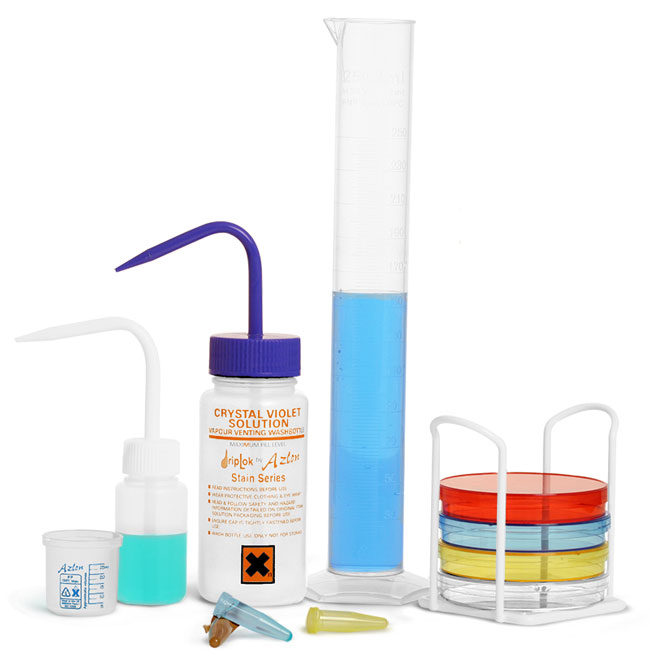
PTFE is a good choice for labware because of its many desirable characteristics. PTFE is useful because of its resistance to corrosive elements that many other plastics are unable to stand up to. The anti-stick properties and low coefficient of friction of PTFE are desirable qualities for durable labware. PTFE can be sterilized by autoclave, gas, dry heat and chemical disinfectant.
Recycling PTFE Plastic
PTFE does not have it's own recycling code symbol. However, PTFE can be recycled into many other products. Recycled PTFE can be used for rods, tubing, tape and more. For more information regarding PTFE recycling see the Plastic Container Recycling Page .
PTFE's Role in History
PTFE was first discovered accidentally in the 1930s by DuPont scientist Roy Plunkett. It was first used to store highly corrosive elements for the Manhattan Project during the 1940s, in which the first atomic bomb was developed. In the late 1940s DuPont commercialized PTFE as TeflonŽ. Since then, several companies have made advancements upon the plastic resin in many avenues, such as laboratory equipment, non-stick cooking surfaces and engineering industries.